

Educational Tour Packages for Schools and Student Groups: Benefits, Planning & Safety Tips
Introduction
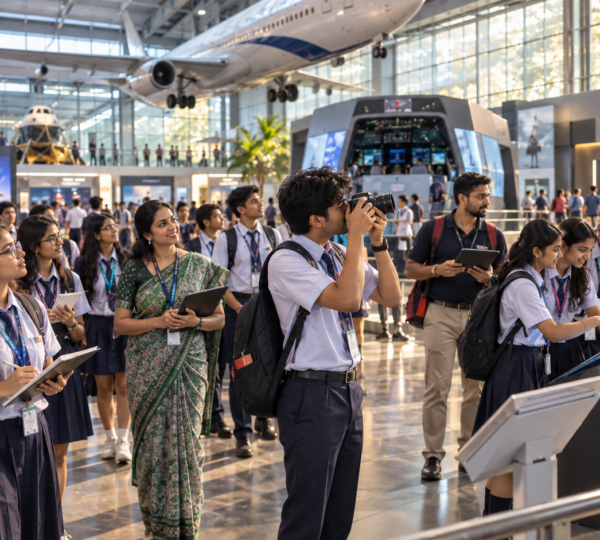
A classroom can teach students about history, science, geography, and culture, but sometimes the best lesson begins when they step outside it. Standing inside a historical monument, watching how a factory operates, visiting a science centre or exploring a new ecosystem can turn something they read in a textbook into something they actually remember.
That is why choosing the right educational tour packages for schools involves more than selecting a destination and booking a bus. A successful school tour needs age-appropriate activities, a practical itinerary, responsible supervision, comfortable travel, and clear safety arrangements. Step To Fly can help schools and student groups plan travel around their educational objectives, group size, and itinerary requirements.
Why Are Educational Tours Important for Students?
Students learn differently when they can see and experience a subject outside the classroom.
A history lesson about ancient kingdoms becomes more meaningful when students walk through a fort or museum. A geography lesson becomes easier to understand when they see a different landscape themselves. Even a visit to a workplace can introduce students to careers they may not have considered before.
Educational tours can support learning in several ways:
Connect classroom concepts with real-world experiences
Encourage curiosity and observation
Improve communication among students
Introduce students to different cultures and places
Develop teamwork and responsibility
Give students exposure to possible career paths
Create memorable learning experiences
The objective is not simply to take students somewhere interesting. The destination should have a clear connection to what they are learning or to skills the school wants to develop.
What Makes a Good School Trip?
A successful school trip starts with a simple question: What should students learn or experience from this visit?
Once that is clear, teachers can choose a destination and activities that support the objective.
For example:
Educational Objective | Possible Tour Experience |
History | Forts, museums, heritage sites |
Science | Science centres, research facilities, planetariums |
Environment | Wildlife reserves, botanical gardens, ecological sites |
Industry | Factories, production units and business facilities |
Culture | Museums, cultural centres and heritage locations |
Agriculture | Farms, agricultural institutions and rural experiences |
Career Awareness | Universities, industries and professional institutions |
The strongest school trips usually combine learning with some recreation. Students should have an opportunity to enjoy themselves, but the educational purpose should remain clear.
Choosing the Right Destination for Students
The most exciting destination is not always the most suitable one.
Schools need to consider the students’ age, travel duration, weather, distance, educational relevance, and available facilities before making a decision.
For younger students, a destination closer to the school may be more practical. Older students may be able to handle longer journeys or multi-day educational programmes.
Consider These Questions Before Finalizing
Is the destination appropriate for the students’ age?
How long will it take to reach?
What will students actually learn there?
Are guided tours available?
Are washrooms and food facilities accessible?
Is the location safe for a large student group?
What happens if the weather changes?
Is there enough time for rest?
Does the destination fit the school’s budget?
A destination that checks these boxes is usually more valuable than one chosen simply because it is popular.
Planning the Itinerary Without Exhausting Students
One of the biggest mistakes in school travel is trying to fit too much into one day.
Imagine students leaving Bangalore early in the morning, spending several hours travelling, visiting multiple attractions, eating quickly and then travelling back late at night. Even if they technically visited everything planned, they may remember very little from the experience.
A better itinerary creates a balance between learning, movement and rest.
A Practical School Tour Day Could Include:
Morning: Travel or first educational activity
Late morning: Guided visit or learning session
Afternoon: Lunch and short rest
Later afternoon: Second activity or interactive experience
Evening: Group activity or return journey
The exact schedule will depend on the destination and age group, but the principle remains the same: students need enough energy to participate, not just enough time to arrive.
Planning Student Tour Packages Around Age Groups
A school may have students from different classes, but not every age group should necessarily follow the same itinerary.
A primary school group may benefit from shorter visits, interactive activities and more frequent breaks. Teenagers may be more interested in career exposure, science, history, adventure, or cultural experiences.
For schools comparing student tour packages in India, the age of the students should therefore be one of the first factors discussed during planning.
Younger Students
Focus on:
Shorter travel times
Interactive learning
Simple schedules
Frequent breaks
Familiar food options
Strong supervision
Older Students
Consider:
Career-oriented visits
Industry exposure
Historical and cultural experiences
Science and technology programmes
Leadership activities
Team-based experiences
Matching the itinerary to the students’ age can make the tour both safer and more engaging.
Safety Should Be Planned Before the Tour Begins
For school travel, safety cannot be treated as something to think about after the itinerary is ready.
Teachers, school administrators, and travel planners should establish clear responsibilities before departure.
A useful safety plan should consider:
Student attendance
Emergency contact information
Teacher-to-student supervision
Transportation arrangements
Accommodation details
Medical requirements
Emergency procedures
Meeting points
Communication arrangements
Students should also know basic rules before they leave the school campus.
For example, they should understand where they need to stay, whom to contact if they are separated from the group, and why they should not leave designated areas without permission.
Transportation: More Than Just Getting From A to B
Transportation can determine how comfortable and safe the entire trip feels.
For larger groups, schools should consider vehicle capacity, travel duration, planned stops and driver arrangements. Long journeys should include appropriate breaks, especially when younger students are travelling.
Before departure, schools should confirm:
Vehicle arrangements
Driver details
Pickup and drop-off points
Travel route
Rest stops
Emergency contact information
Seating arrangements
A comfortable journey allows students to arrive ready to participate rather than exhausted from travelling.
How Teachers Can Manage a Large Student Group
Managing 30 students is different from managing 100 students.
Large groups benefit from clear organization. Dividing students into smaller groups and assigning teachers or responsible supervisors to each group can make attendance and movement easier.
A simple structure might include:
School Coordinator → Group Leaders → Student Groups
Teachers can also establish fixed meeting points for meals, sightseeing and departure.
A Simple Rule Works Well
Before moving from one location to another:
Count → Confirm → Move
After reaching the next location:
Gather → Count → Continue
It may sound basic, but consistent procedures can make large-group movement much easier.
What Should Schools Pack for a Student Excursion?
Students do not need to carry everything they own. A simple packing list can prevent unnecessary problems.
Student Essentials
School identification card
Comfortable clothing
Appropriate footwear
Water bottle
Small personal bag
Necessary personal items
Notebook and pen
Weather-appropriate essentials
Teacher or Coordinator Essentials
Student attendance list
Emergency contact details
Basic first-aid supplies
Accommodation information
Transportation details
Important school contacts
Parent communication information
Schools should communicate the packing list to parents well before departure so that students arrive prepared.
Making Educational Travel More Interactive
A school tour becomes more meaningful when students are encouraged to participate rather than simply follow a guide.
Teachers can give students small assignments before the trip.
For example:
Research one location before visiting it.
Prepare three questions for the guide.
Take notes about something surprising.
Photograph or sketch an interesting object.
Interview a guide or professional where appropriate.
Present one thing they learned after returning.
These simple activities turn students from passive visitors into active participants.
How to Balance Learning and Fun
Students naturally expect a school trip to be enjoyable. Schools do not need to remove the fun element to make the experience educational.
Instead, the two can work together. A historical trip could include a group activity based on what students saw. A science visit could end with an interactive challenge. An environmental tour could include observation tasks.
The key is balance. Too much classroom-style instruction can make the trip feel like another school day. Too much entertainment can make the educational objective disappear. The best school trips sit somewhere in between.
When Group Tour Packages Make Sense for Schools
Planning travel for a large student group involves several moving parts. Transportation, accommodation, meals, sightseeing, schedules, and supervision all need to work together.
That is why group tour packages in India can be useful for schools and organized student groups that need a coordinated travel plan.
Instead of teachers having to manage every travel component independently, a structured package can bring the major arrangements into one plan.
However, schools should still review the itinerary carefully and confirm what is included before finalizing the booking.
Budgeting for a School Tour
Affordability is an important consideration for schools because not every student may have the same financial flexibility.
When preparing the budget, look beyond the headline package price.
Consider:
Expense | What to Check |
Transportation | Vehicle type, distance and transfers |
Accommodation | Room type, location and inclusions |
Meals | Number of meals and meal options |
Entry Fees | Attractions and educational sites |
Activities | Workshops, guides or special experiences |
Emergency Costs | Buffer for unexpected expenses |
Schools can also compare different itinerary options instead of immediately reducing the quality of essential arrangements.
A shorter trip with fewer destinations may sometimes provide a better experience than a longer trip packed with activities.
Customer Experience: A School Group From Bangalore
Consider a group of students from a school in Whitefield planning an educational trip.
The initial idea was to cover several attractions in a single day. However, the teachers realized that the students would spend almost as much time travelling as they would learning. The itinerary was redesigned around one primary educational destination and one shorter activity.
Students had enough time to explore, ask questions and take notes. Teachers also found it easier to manage attendance because the group was not constantly moving between locations.
By the end of the day, the students had fewer places to talk about but much more to say about what they actually learned. That is the real value of good educational travel: depth can be more useful than distance.
A School Tour Planning Checklist
Before confirming the trip, schools can use this quick checklist:
Academic Planning
Define the learning objective
Select an age-appropriate destination
Confirm educational activities
Prepare student assignments
Travel Planning
Confirm transportation
Plan realistic travel times
Arrange meals and accommodation if required
Include adequate breaks
Safety Planning
Prepare attendance lists
Collect emergency contacts
Assign student groups
Establish meeting points
Communicate safety rules
Parent Communication
Share itinerary
Explain travel arrangements
Provide packing instructions
Share emergency contact information
Confirm reporting and return timings
Having these details ready before departure reduces confusion for students, teachers and parents.
Frequently Asked Questions
1. What are educational tour packages for schools?
Educational tour packages for schools are organized travel plans designed around student learning and group requirements. They can include transportation, accommodation, sightseeing, educational visits, and other activities depending on the itinerary.
2. How do schools choose the right educational tour destination?
Schools should consider the students’ age, educational objective, travel distance, safety, available facilities, weather, and overall budget before selecting a destination.
3. Are school trips useful for classroom learning?
Yes. School trips can help students connect textbook concepts with real-world experiences. They can also encourage curiosity, teamwork, observation, and communication.
4. How can schools keep students safe during excursions?
Schools should maintain accurate attendance records, assign clear supervision responsibilities, establish meeting points, communicate safety rules and prepare emergency contact and response procedures before the trip.
5. What should students carry on an educational excursion?
Students generally need comfortable clothing, suitable footwear, a water bottle, school identification, personal essentials, and any weather-specific items required for the destination. Schools should provide a complete packing list before departure.
Turn a School Trip Into a Learning Experience
A successful school tour is not measured by the number of destinations students visit. It is measured by what they experience, understand and remember after they return.
The right school trips can take lessons beyond textbooks and give students opportunities to observe, question, communicate, and discover the world around them. When the destination and activities are connected to their learning, even a single day outside the classroom can leave a lasting impression.
Good educational travel also requires careful preparation. From transportation and student supervision to realistic schedules and emergency planning, every small detail contributes to a smoother experience. With the right balance of learning, safety, and enjoyment, a school tour can become more than a day away from campus it can become a lesson students remember long after the trip is over.